Look around today’s classrooms, and you’ll find a vibrant blend of cultures, languages, and backgrounds. From newcomers just beginning to learn a new language to Third Culture Kids (TCKs) who carry diverse global experiences, each student brings something unique to these multicultural classrooms. As educators, it’s our responsibility to build culturally responsive classroom spaces where every child feels recognized, respected, and eager to learn.
But here’s the big question: How do we build learning spaces where everyone truly feels like they belong?
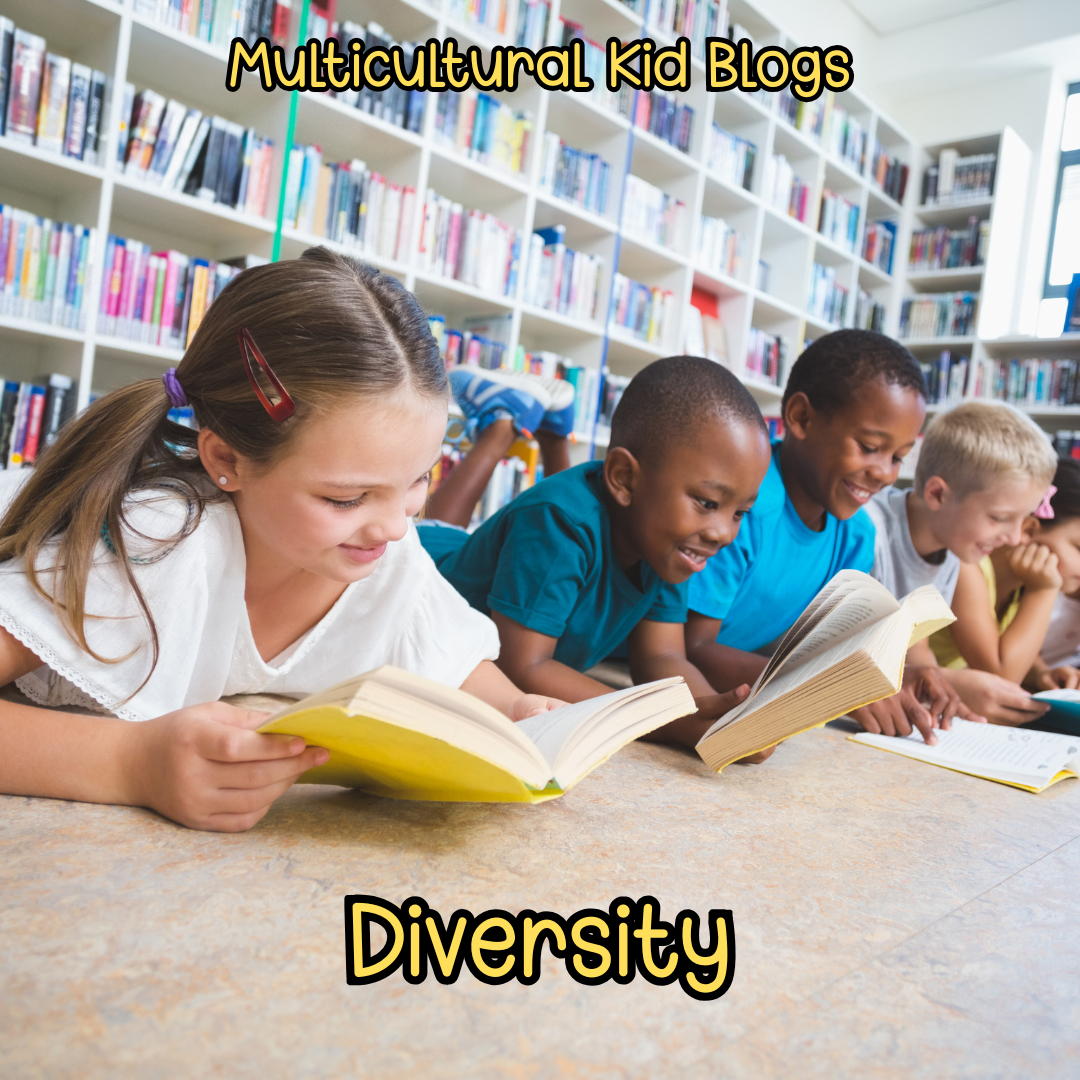
Diversity
It all starts with us, as educators, caregivers, and school leaders. Before we can nurture a multicultural classroom, we must embrace our own diversity. Ask yourself: How do my lived experiences shape how I teach? What biases might I still hold? In 7 Tips to Find Your Multicultural Identity we’re reminded that our culture shapes our morals and principles.
For parents and caregivers of children of color, choosing a school isn’t just about test scores. It’s about safety, representation, and belonging. Choosing A School for Kids of Color: 5 Things to Consider highlights how crucial it is to look for schools where diversity is celebrated and not just displayed on a poster, but integrated into curriculum, leadership, and everyday interactions.
Representation matters, but diversity in the classroom must go deeper than posters or heritage months. As Diversity in the Classroom: Why We Need to Go Deeper points out, surface-level inclusion often skips over difficult but necessary conversations over political correctness. To build truly inclusive classrooms, we must move beyond the Black dolls or the greeting poster in 17 different languages and engage students in meaningful dialogue and action.
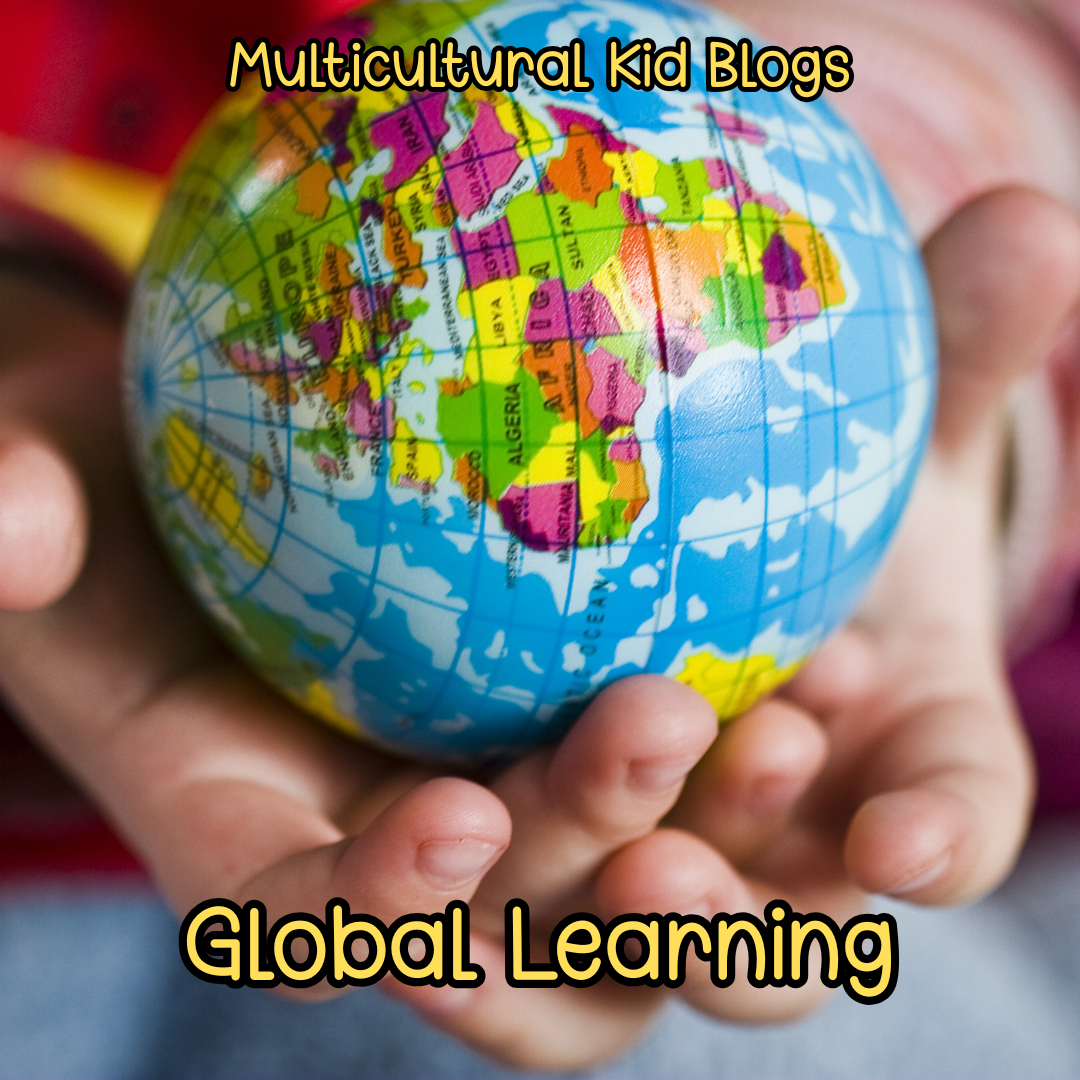
Global Learning
One of the most powerful ways to foster belonging is through global learning. When students explore different cultures, languages, and perspectives, they begin to understand the world, and each other more deeply. In Global Learning: Expanding Horizons and Empowering the Classroom we discover the benefits of global learning and how to bring the world into your classroom helping the students see themselves as global citizens.
As educators and parents, how can we make global learning stick? With two words: Being intentional. 6 Tips to Teach Global Citizenship to Kids reminds us to integrate daily practices that encourage empathy, such as having conversations about global citizenship, seeking diverse friends, among other tips.

Fostering Multicultural Friendships
Ultimately, multicultural classrooms aren’t just about curriculum. They’re about connection. As parents, we must intentionally create opportunities for students to build multicultural friendships out of the classroom. How To Foster Multicultural Friendships offers great tips and insights from parents on how they are raising global citizens.
A multicultural classroom isn’t built overnight—but every conversation, every book, every connection plants a seed. Whether you’re a parent choosing a school, a teacher planning a unit, or a student making a new friend, you’re part of the journey. Let’s continue building culturally responsive classrooms where every child can thrive—not just academically, but as a valued citizen of our shared world.
Which of these strategies have you used in your classroom or at home?

Related Posts:
Global Learning: Expanding Horizons and Empowering the Classroom
Building Culturally Responsive Classrooms
Connecting Students Through Global Learning


Frances
Latest posts by Frances (see all)
- Spanish Children’s Music to Celebrate Hispanic Heritage Month - October 1, 2025
- Multicultural Classrooms: From Global Learning to Inclusive Friendships - September 9, 2025
- Calavera Puppets for Day of the Dead - October 31, 2022
