In our connected world, getting to know and appreciate different cultures is more important than ever. Global learning plays a big role in this by helping students explore various cultures, perspectives, and global issues. The perks of global learning are huge – it not only builds cultural empathy but also boosts critical thinking and language skills. In this blog post, we’ll dive into these benefits and share some handy tips and resources to help you bring global learning into your classroom.

Benefits of Global Learning
1. Cultural Awareness and Empathy: Global learning introduces students to diverse cultures and perspectives. It helps them understand their own culture while appreciating others. Students learn that despite differences, people around the world share common values and experiences.
2. Critical Thinking and Problem-Solving: Exposure to global issues encourages students to think critically about the world around them. Moreover, it challenges them to consider multiple viewpoints and develop solutions to complex problems that extend beyond national boundaries.
3. Language Skills: Introducing different languages and linguistic patterns can enhance students’ language skills and, consequently, make them more adaptable communicators.
4. Preparation for the Future: In our connected world, understanding different cultures and communicating across cultural lines are valuable skills. Furthermore, global learning helps prepare students for future social, academic, and career opportunities.
5. Enhanced Engagement and Curiosity: Integrating global themes can make learning more interesting and relevant. Consequently, students are often curious about the world, and exploring global topics can enhance their engagement and motivation to learn.
6. Development of Global Citizenship: Teaching students about global issues and encouraging them to take action fosters a sense of global citizenship. As a result, they learn they can make a difference and feel empowered to contribute positively to global society.
Global Learning Tips, Resources & Activities
🌈 Celebrating Diversity: Creating an Inclusive and Respectful Classroom Environment
Help each student feel seen, respected, and valued by learning about their unique backgrounds, cultures, and perspectives.
- Share All Are Welcome by Alexandra Penfold and download the free Educators’ Guide, which includes a classroom poster and activities.
- Raise awareness of the importance of respecting everyone’s name and empower kids to teach others about their name. To do this, share Teach Us Your Name by Huda Essa and download a free printable activity.

- Invite students to bring an item from home that represents their culture or heritage. This could be a piece of clothing, a family recipe, a traditional artifact, or even a photo. Additionally, each student can share their item with the class, explaining its significance and any personal connections they have to it.
- Display a large world map in your classroom. As a class, mark the locations of where students or their families come from. Additionally, you can include places of interest that the students are curious about. This visual representation helps students see the global connections within their classroom and sparks curiosity about different parts of the world.
🔎 Harnessing Literature & Technology: Tools for Global Exploration and Connection
- Fill your shelves with books that offer children mirrors of their own world and windows into the diverse world beyond. Learn How to Use Mirror and Window Books to Encourage Global Citizenship.
- Use apps like Barefoot World Atlas to explore geography and learn about the diversity of our planet.
- Explore the world in detail with Google Earth – zoom in on landmarks, navigate through cities, view historical imagery to understand how places have changed over time, and more.
- Connect with classrooms around the world with Go Pangea. In this online global learning community, teachers share questions about culture, food, science, the environment, history, etc., and then students respond and engage in a moderated forum.
- Take virtual field trips to global destinations with tools like Google Arts & Culture. For example, explore places like the Great Wall of China, the Amazon Rainforest, and the Pyramids of Egypt.
🌍 Building Global Foundations: Activities to Foster a Worldly Perspective
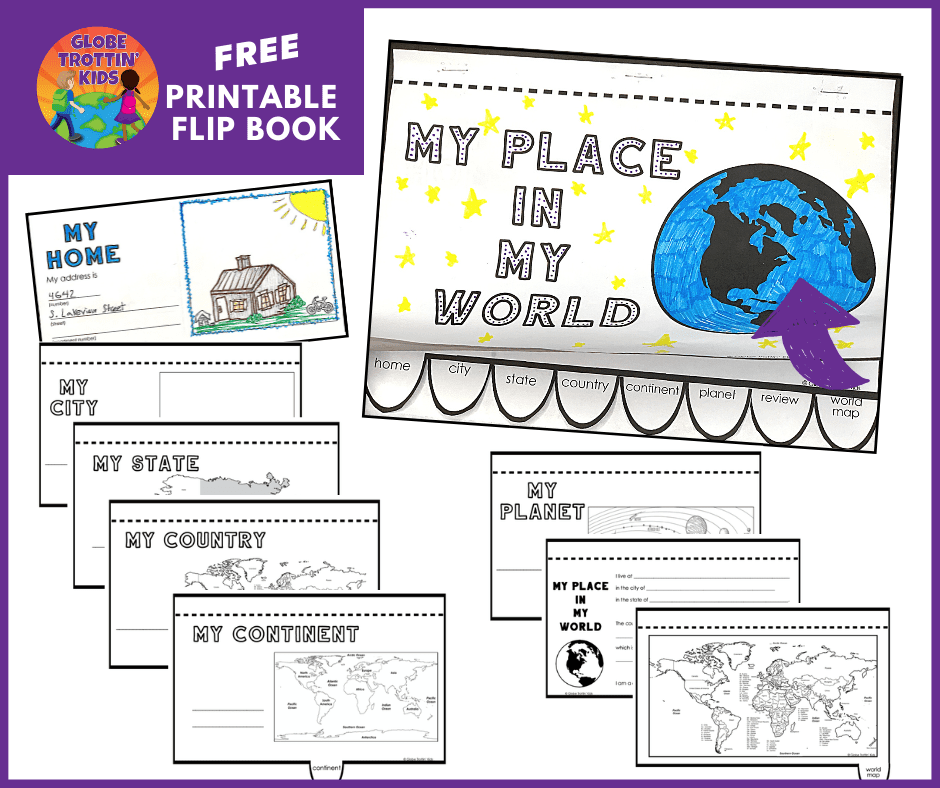
Understanding Place: From knowing their address to identifying the planets, students need this important foundation for future global learning experiences. Therefore, make a My Place in My World flipbook that students can use as a reference tool throughout the year.
Defining “Global”: Share What Does It Mean to Be Global? by Rana DiOrio. Create a classroom poster following the reading, and download the EduGuide for three fun global exploration projects: Food and Taste, Music, and World Languages.

Introducing Languages: Exposure to different languages enhances communication skills and sparks interest in learning new languages. Introduce basic words and phrases in different languages through simple activities such as saying hello, naming fruits & vegetables, and learning words for water in several languages.
Incorporating Diverse Books: Introduce students to different ways of life, values, and perspectives. Encourage discussions about the similarities and differences between the stories and the student’s own experiences. Use Diverse BookFinder for suggestions.
Join the Global Read Aloud: One Book to Connect the World. Starting in early October and running through mid-November, teachers pick a book to read aloud to their students and, in addition, connect with classrooms around the world to share and discuss. See this year’s selections.
Exploring Countries: Engage young explorers in a research project. Then, create presentations, posters, or digital projects highlighting a country’s culture, geography, history, and current events. Find helpful resources for teaching kids how to do a country research project here.
Discussing International News: Select age-appropriate news articles or stories from different parts of the world to share with your students. Discuss the news together, helping students understand global events and their impact. Organize a debate on a pressing global issue, such as climate change or food waste. Encourage students to express their opinions and propose solutions.
Bring the World in Your Classroom
Incorporating global learning into your classroom is more than just a trend—it’s an essential component of preparing students for the future. By fostering cultural awareness, critical thinking, and a sense of global citizenship, you’re helping to shape a generation that is curious, compassionate, and capable of making meaningful contributions to our world. Whether through books, virtual field trips, or classroom discussions, there are countless ways to bring the world into your classroom. Start today, and watch as your students’ curiosity and understanding of the world around them flourish.
Related Posts
Connecting Students Through Global Learning
Building Culturally Responsive Classrooms
Teaching Global Citizenship To Young Children


Julie Yeros
Latest posts by Julie Yeros (see all)
- Celebrating Pascha – Greek Orthodox Easter Traditions - March 16, 2026
- Global Learning: Expanding Horizons and Empowering the Classroom - August 26, 2024
- 10 Fun Facts About South Africa - February 26, 2024
