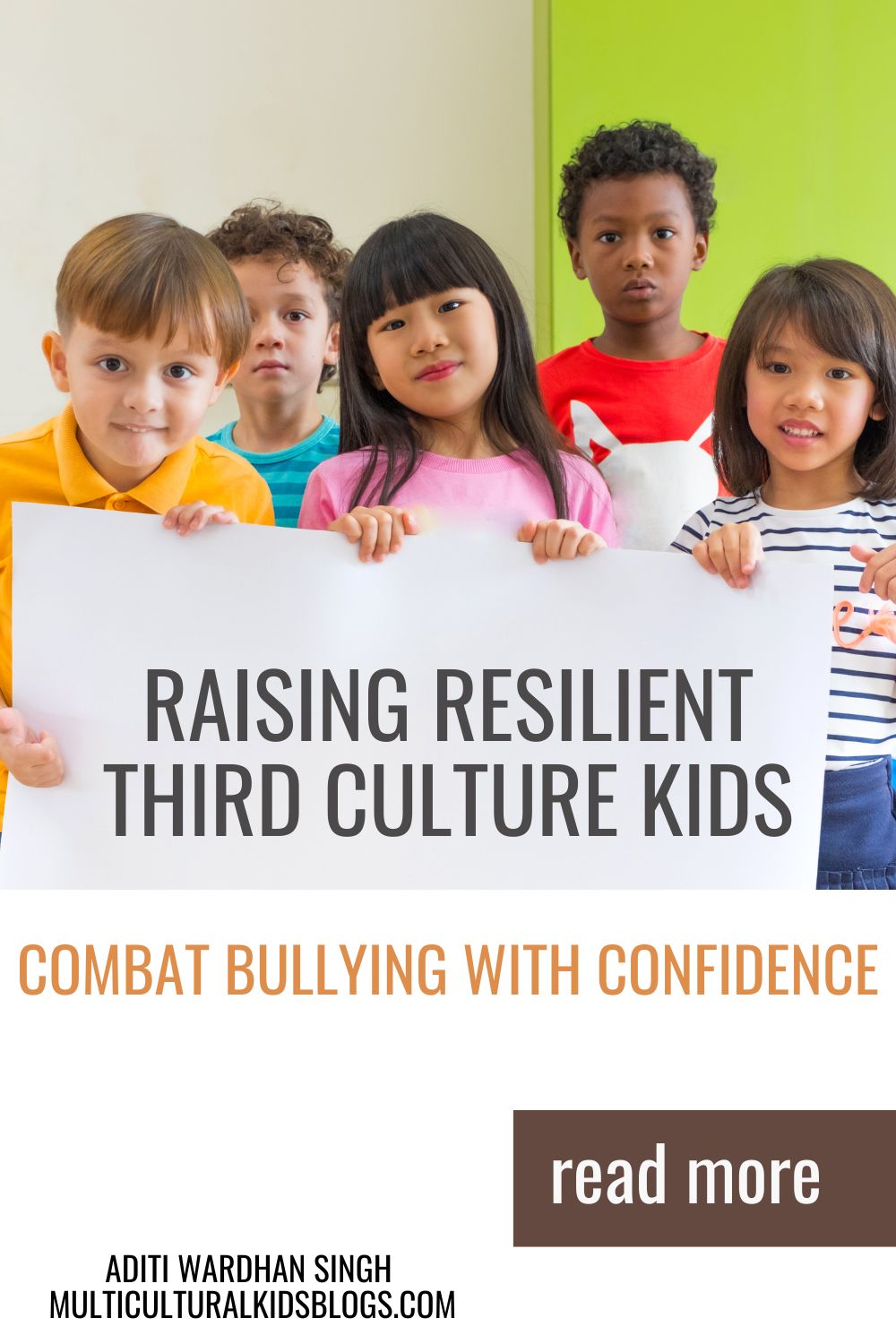
“Who are you?” I was asked this with a smirk in a bus going to school when I was ten. That smirk turned into bewildered amusement when I explained my birth and formative years in Kuwait and my parents, who were from different states. Cut to years later, in college, someone asked, “So, you roam around on camels in Kuwait?” Then came the fun comments on my accent or lack of understanding of Indian traditions. This memory forms the core of my desire on raising resilient third-culture kids to combat bullying with confidence.
You see, It was when I became a mother and saw my kids being challenged that I appreciated my third-culture upbringing. I understood that I could not change the world’s desire to box my kids. However, I could raise my kids to stand up for themselves in the face of stereotyping.
Raising third-culture kids (TCKs) comes with its own unique set of challenges and rewards. For those who are unaware, third-culture kids are those who grow up in cultures different from their parents’ native ones. They often navigate a complex web of identities, blending elements from multiple cultures into their own.
While this multicultural upbringing can enrich their lives, it also exposes them to various forms of bullying. Bullying that often be considered the norm, including body shaming, colorism, accent discrimination, fashion policing, and relational bullying. To help TCKs thrive in the face of these challenges, it’s essential to equip them with resilience and a strong sense of self-worth.
Building Body Positivity
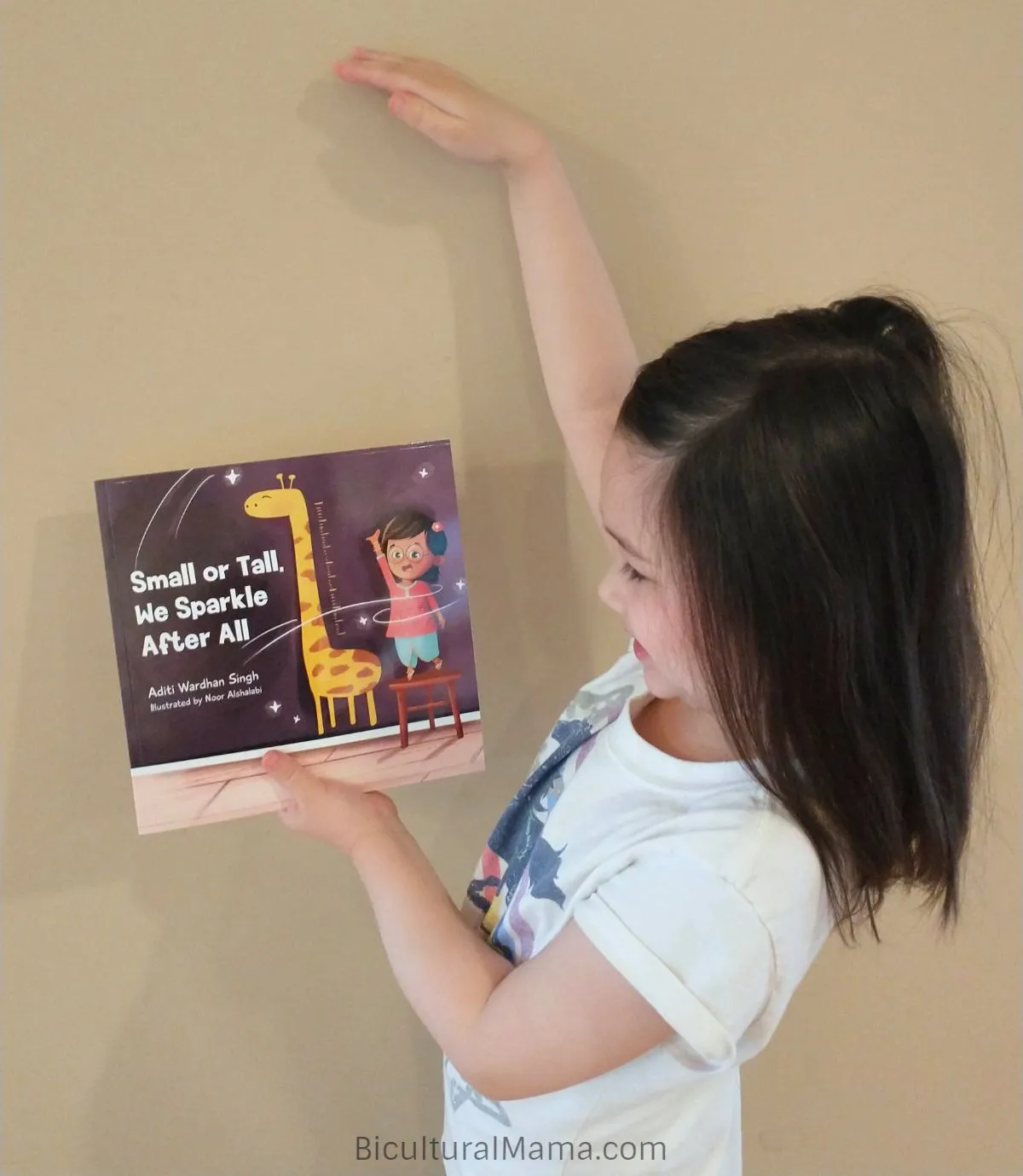
The books I wrote on body positivity to combat colorism and height discrimination came from seeing my kids facing endless comments. Body positivity is a critical area where TCKs may face bullying. Especially when their physical appearance differs from the dominant standards of beauty in their environment. Whether it’s their body shape, size, or features, TCKs might feel pressured to conform to societal ideals that don’t represent them.
Parents and educators can foster body positivity by –
- Celebrating diversity in appearance and emphasizing that beauty comes in all forms.
- Encourage children to appreciate their bodies for what they can do rather than how they look.
- Activities like mirror affirmations, where kids speak positively about their appearance, can reinforce self-love and confidence.
Addressing Colorism

This is something that every child notices first, but often parents do not address. Colorism, or discrimination based on skin tone, is another challenge that TCKs may encounter. Especially in societies with a deeply ingrained preference for lighter skin. This form of bullying can be particularly insidious, as it often stems from both outside their cultural community and within it.
To combat colorism, it’s important to –
- Have open conversations about the beauty and value of all skin tones.
- Highlight role models from diverse backgrounds who have achieved success and encourage kids to take pride in their unique appearance.
- Teaching children about the historical roots of colorism can also help them understand that these biases are socially constructed. These biases not a reflection of their worth.
Navigating Identity
Identity can be a complex issue for TCKs, who often straddle multiple cultures. My son would often have to defend his Indianness, Hinduism, or choice of food; even to those of Indian heritage themselves. They might face bullying for not fully fitting into any one cultural mold, leading to feelings of alienation. This could manifest in criticisms of how they express their cultural identity through language, traditions, food or customs.
Supporting TCKs in developing a robust and multifaceted identity is key to their resilience.
- Encourage them to explore and embrace all aspects of their cultural heritage.
- Creating a family narrative that celebrates their unique background can give them a sense of pride and belonging.
- It’s also helpful to connect them with other TCKs or multicultural groups where they can share experiences and feel understood.
- Be honest of your struggles (if you have experienced the same).
- Explain your choice of lifestyle based on science, personal growth or whatever your core reasons. They need to be aware of WHY they are doing what they are, in their everyday lives.
Embracing Accents
“Why do you sound funny?” “Your accent makes it difficult for me to understand you.” .. are common comments. Accents are a visible marker of cultural difference, multilingualism and can often be a target for mockery. TCKs might feel self-conscious about their accents. That can lead them to suppress their authentic way of speaking or to adopt a different accent to fit in.
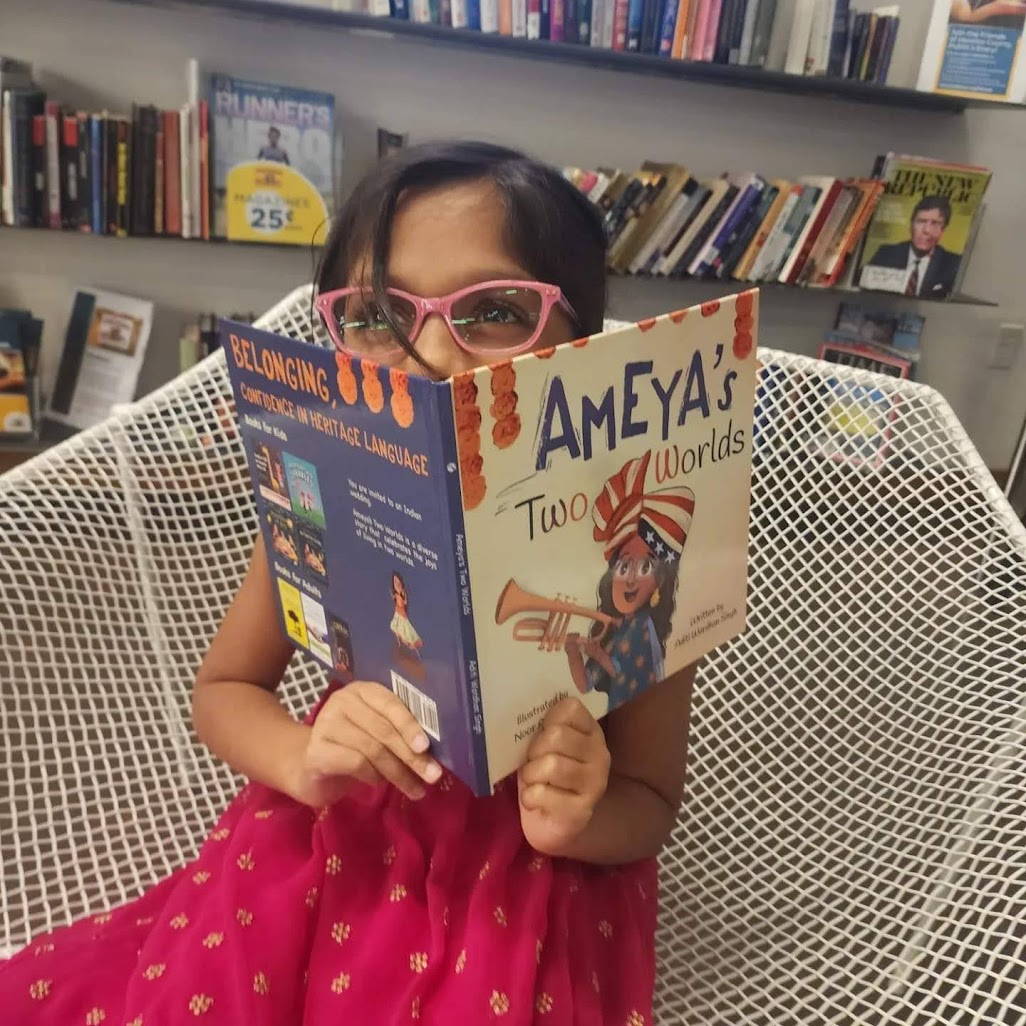
- Parents and educators should emphasize that accents are a natural part of language diversity. It is a sign of multilingualism, which is an asset.
- Celebrating linguistic diversity in the classroom and at home can help TCKs feel more confident about their accents.
- Encourage them to take pride in their ability to navigate multiple languages.
- Teach them to respond to teasing with confidence and humor.
Fashion and Cultural Expression
“Why do you guys wear sarees/bindi?” or “Why don’t you wear traditional suits for poojas?”. Clothing is another area where TCKs might be bullied. Especially if their dress style reflects their cultural heritage or differs from local norms. This form of bullying can be particularly hurtful, as clothing is often a significant part of personal and cultural identity.
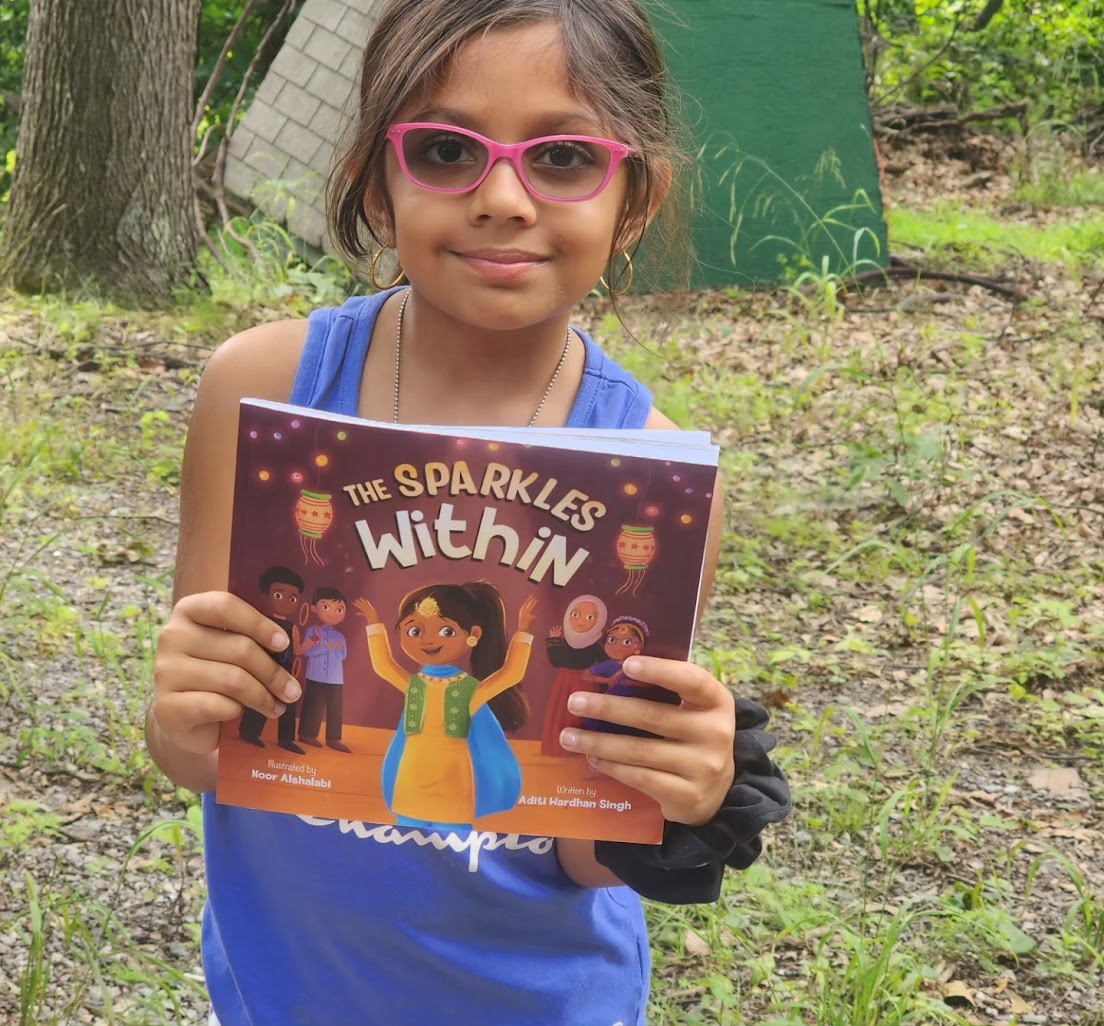
To support TCKs, encourage them to –
View fashion as a form of self-expression and cultural pride.
Allow them to experiment with different styles and celebrate their unique fashion choices.
Highlight stories of cultural icons who use fashion to express their identity.
Relational Bullying
All of the above can lead to groups and shifts of dynamics within friends. Relational bullying (which includes exclusion, gossip, and manipulation) can be especially harmful to TCKs. They may already feel isolated due to their cultural differences. This type of bullying can undermine their sense of belonging and self-esteem. For kids who are in their formative years trying hard to fit in, it’s important to empower them to understand they are not dependent on others’ approval or company to stand tall.
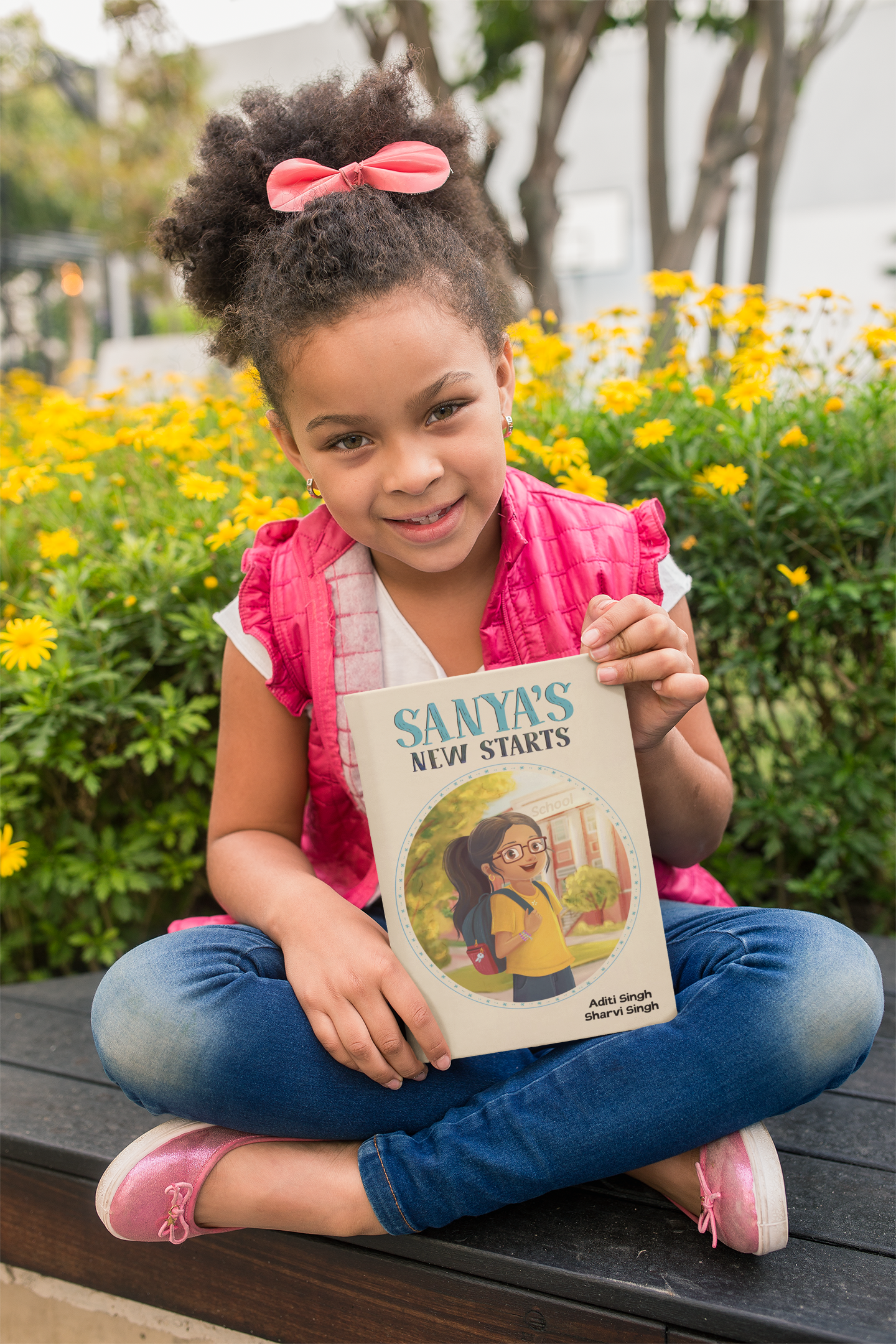
- Building strong, supportive relationships is essential in combating relational bullying.
- Encourage TCKs to cultivate friendships with peers who appreciate their differences and to seek out communities where they feel accepted.
- Teaching them skills in conflict resolution, assertiveness, and empathy.
- Help them navigate complex social dynamics and stand up against relational bullying.
- Encourage kids to develop passions outside of academic or video gaming that enrich their lives in more ways.
Raising resilient third-culture kids requires a proactive approach and repetition of conversations. They also need to be good listeners, and validate their feelings as needed. Helping kids build a strong foundation empowers TCKs to face bullying with confidence and grace. In doing so, we protect them from harm. And help them develop into empathetic, self-assured individuals who celebrate diversity in all its forms.
If you would like to check out the books shown above, head over to RaisingWorldChildren.com/childrensbooks
About Aditi W. Singh :
The girl from no where. Born and brought up in Kuwait, of Indian heritage, Aditi never felt like she belonged.
Today, Aditi Wardhan SIngh is one of the leading voices in cultural sensitivity and self-empowerment. Her experiences as a third-culture child and challenges as a multicultural parent fuel her passion for diversifying dialogue around identity and belonging. Her mission led her to create THIS, an online and print platform.
Aditi’s journey from blogger to freelance writer to starting the collaborative platform RWC and now publishing and editing award-winning books has been one of creative resilience. A prolific writer and bestselling author, Aditi has also penned and edited multiple bilingual books. Her time spent volunteering, conducting workshops at schools, and working as a Hindi teacher shaped her unique insight into multiculturalism and the need to draw attention to the struggles of third-culture kids.


Aditi Wardhan Singh
Latest posts by Aditi Wardhan Singh (see all)
- Raising Resilient Third Culture Kids: Combat Bullying with Confidence - September 16, 2024
- Should We Be Talking to Kids about Skin Color? - June 28, 2021
- Decoding the Story Behind Holi For Personal Growth - March 1, 2021
