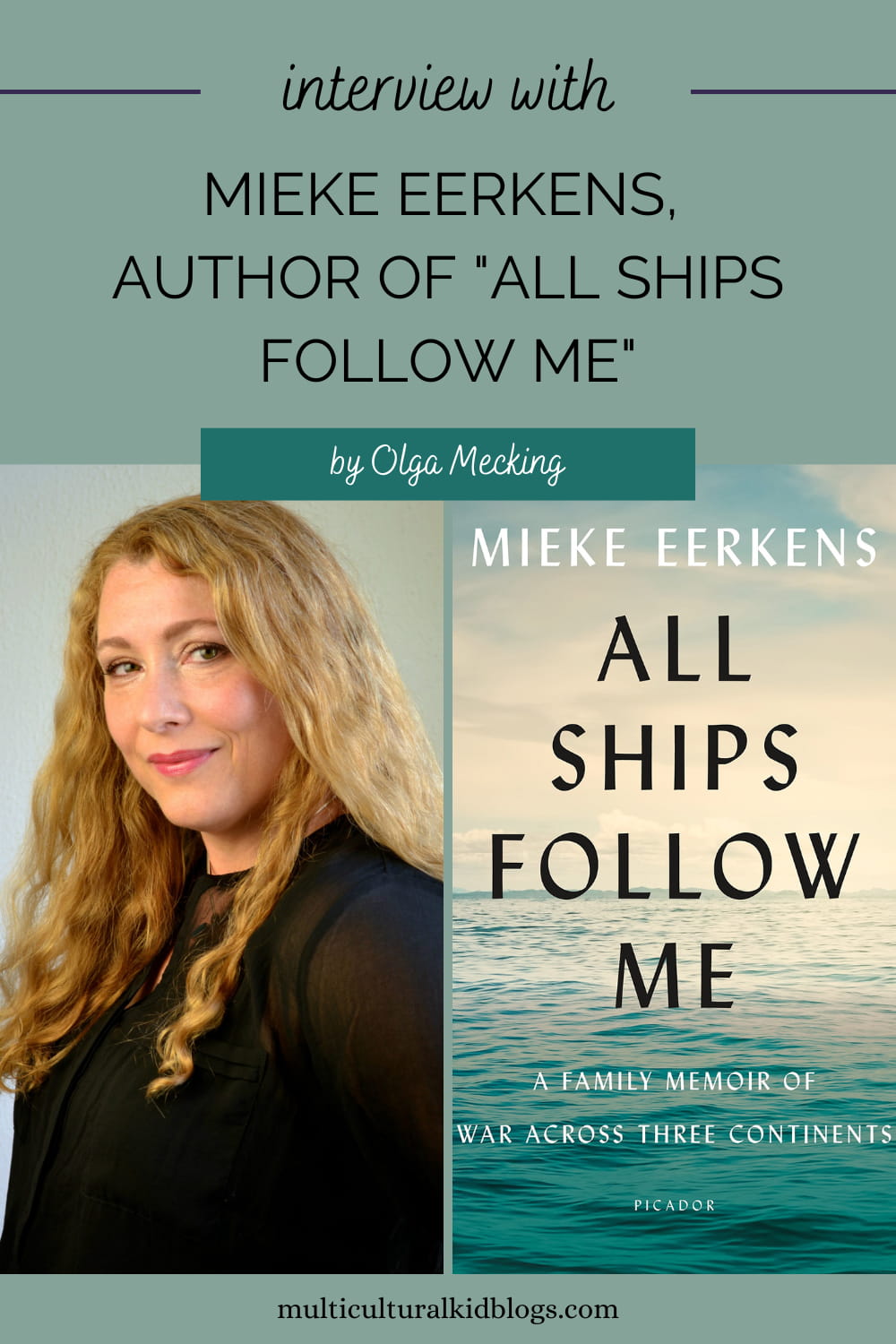
I met Mieke through writing groups on Facebook. When I found out she had written a memoir connected to the Netherlands, where I also happen to live, I knew I just had to read it. Mieke has graciously agreed to answer a few questions in-depth for this series, in which I interview writers of books connected to multicultural or international living and parenting. I hope you found this interview with Mieke Eerkens as fascinating as I did, and if you haven’t read her memoir, I’d really encourage you to check it out.
This post contains affiliate links. If you click through and make a purchase, Multicultural Kid Blogs receives a small commission at no extra charge to you.
Interview with Mieke Eerkens
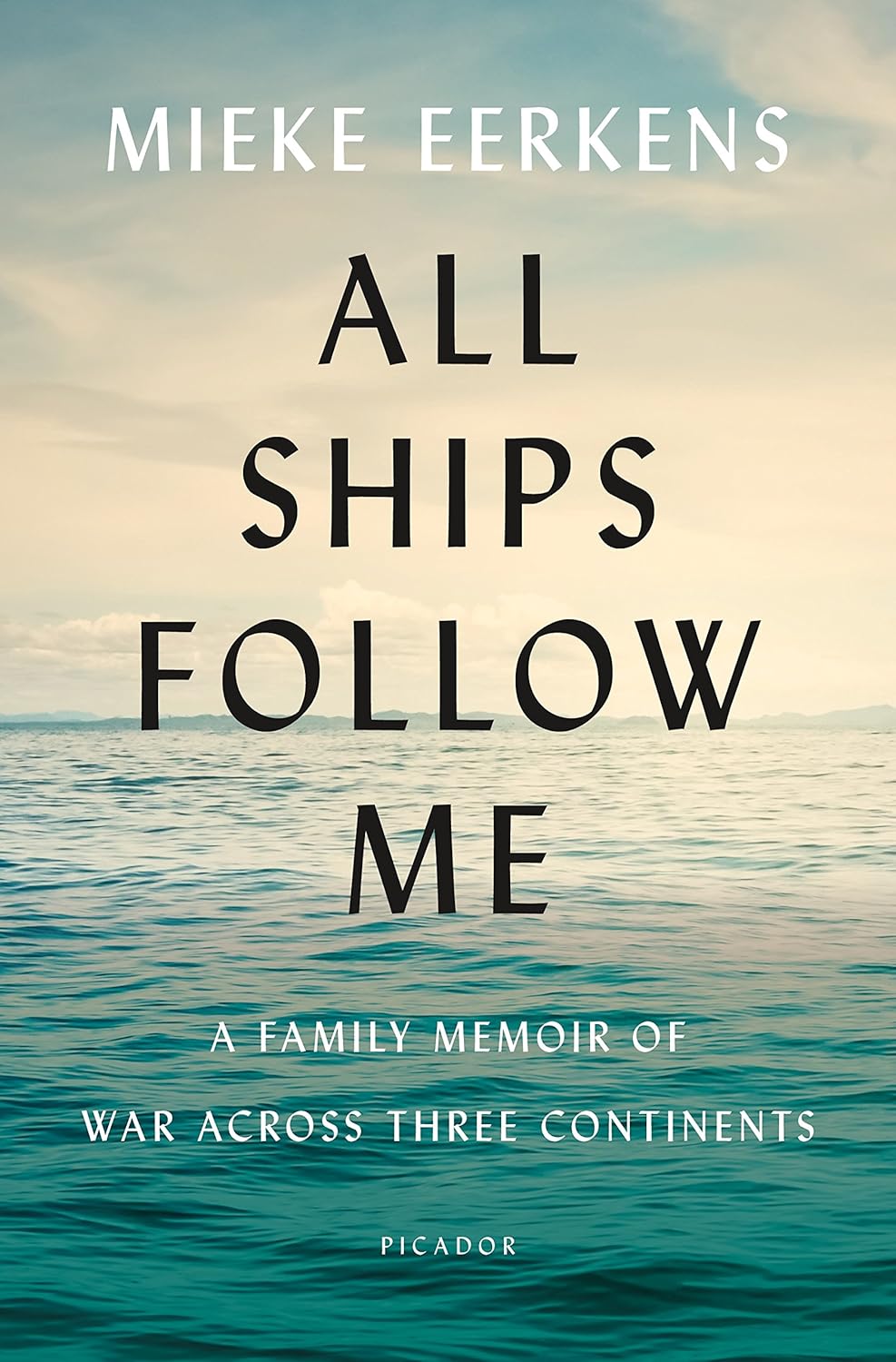
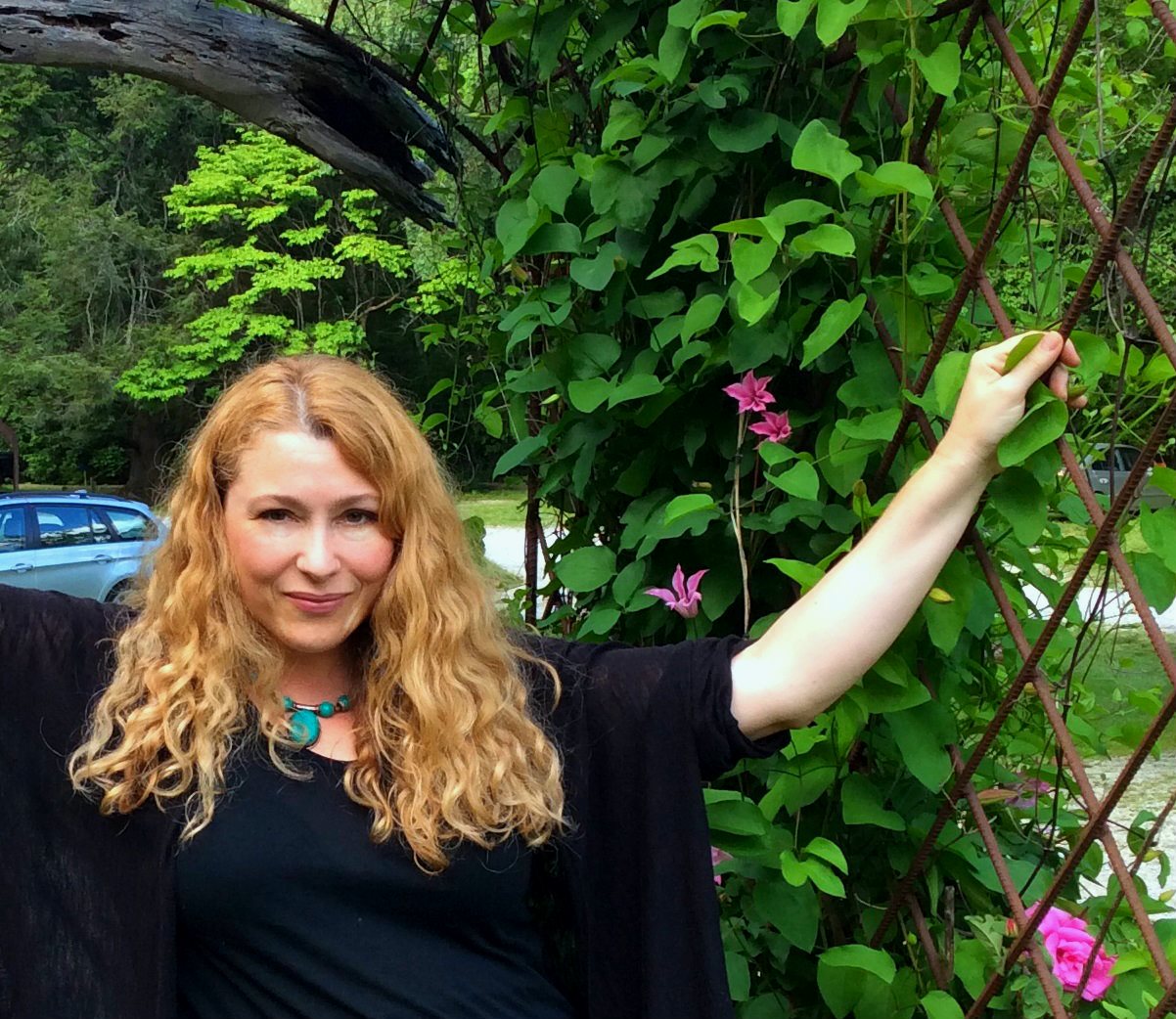
Mieke Eerkens is the author of “All Ships Follow Me: A Family Memoir of War Across Three Continents,” about her own family’s experiences on both sides of World War II.
1) You have connections to both the Netherlands and the US. How would you define yourself?
I grew up in Los Angeles to Dutch parents, both immigrants. I have dual citizenship and have always felt torn between the two countries. I spent a year as a little girl living in the Netherlands, and I got a master’s degree in English literature here at Leiden University after completing my bachelor’s degree at San Francisco State University. I left Leiden and returned to the US, where I worked in Communications and completed an MFA at the University of Iowa in nonfiction writing. Seven years ago I moved to Amsterdam. So I have always bounced back and forth between the two countries and very much define myself as a Dutch-American third culture kid.
2) I know many writers who decided to write about their family’s history but did it as a novel. What made you choose memoir?
I think it’s really the best genre to connect with readers who either have had similar experiences or come from the same background or who may not know about some of these parts of history. Fiction puts a film between the truth and complete invention so that readers may question the veracity of the narrative. Nonfiction is by necessity both vulnerable and honest, as there’s no option to hide behind the label of fiction. It’s the author saying, “This really happened.” I always felt drawn to memoirs as a reader when I was younger because it made me feel less alone in the world to know that somebody else had gone through similar experiences. I also believe in using language creatively and artfully, using all the tools of fiction writers, and eliciting a strong emotional experience for readers. Narrative nonfiction really is my chosen genre for this reason.
3) How did your journey of researching and writing your story affect what you had originally set out to do?
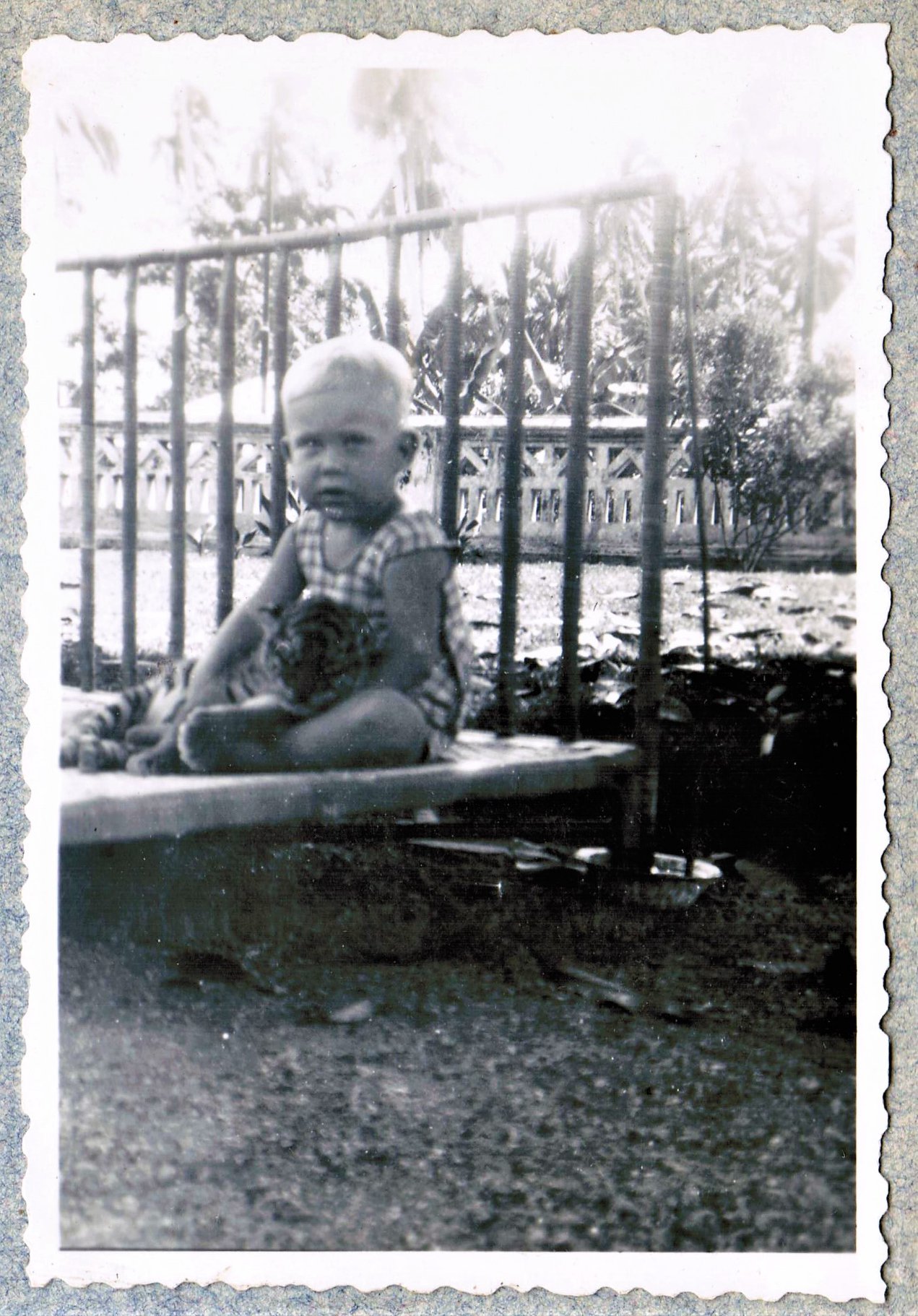
The process of writing definitely challenged my preconceived beliefs. When I started out writing, I really thought things were pretty straightforward and black and white. But the more I researched, the more muddy it all got. I tried to include some of this self-doubt and confusion in the narrative itself, particularly when it came to my grandfather, whom I really wanted to place cleanly into a villain role before I started the book. Through the research, I saw the ways in which so many people in World War II were fundamentally decent people who were stuck in a horrible situation. I kept running up against conflicting or dueling facts and feelings while writing the book. Like, when I went to Indonesia to see the places of my father’s youth, I went in with the negative conceptions of colonialism as a very uncomplicated history. Colonialism was all evil. And I still believe in the fundamental wrongness of colonialism. But I kept finding myself having judgements and emotions that felt distressing to me, feeling that the Dutch colonists had managed some things better, or feeling a kind of sadness or loss when witnessing the way colonial architecture and art was being left to erode there. It was deeply unsettling to realize I had parts of me that were thinking like a colonist, even while holding that colonialism was wrong. And there are so many other ways that this muddying of my perceptions happened. The more I researched and wrote, the more I felt my certainty in “the truth” getting undermined. Eventually this also became a major theme in the book, the ways in which we humans like clarity and prefer dichotomies of “good” and “evil,” and that thinking in this simplistic way about the war has stopped us from understanding how it evolved on the ground, which makes us vulnerable to a repeat of history.
4) When I first read your title in English, I thought it was a statement (All ships follow me.) But then I checked the Dutch original, and it turns out to be an order – All ships, follow me! (alle schepen, volg mij as opposed to alle schepen volgen mij) Can you explain the significance of the title, both in where it came from and for the book? Why did you choose it?
This was the command from the Dutch Naval officer, Karel Doorman, who was making a last stand to protect Java from the invading Japanese, despite knowing he had almost no chance of succeeding. It came to represent something significant for my father, this idea of continuing to go on despite all odds, and the idea of being supported by others, backed by a fleet of ships. I guess we would translate that to the modern term of “ride or die” friends. Karel Doorman’s phrase became a metaphor for me on several levels. Both for continuing on in life no matter what threatens or knocks us down, but also for the duty of the next generation to tell the stories of the people who are too traumatized to tell them, following our parents’ or grandparents’ generation in support.
5) In your book, you said your story complicates the general impressions people have about victims and perpetrators. Can you explain?
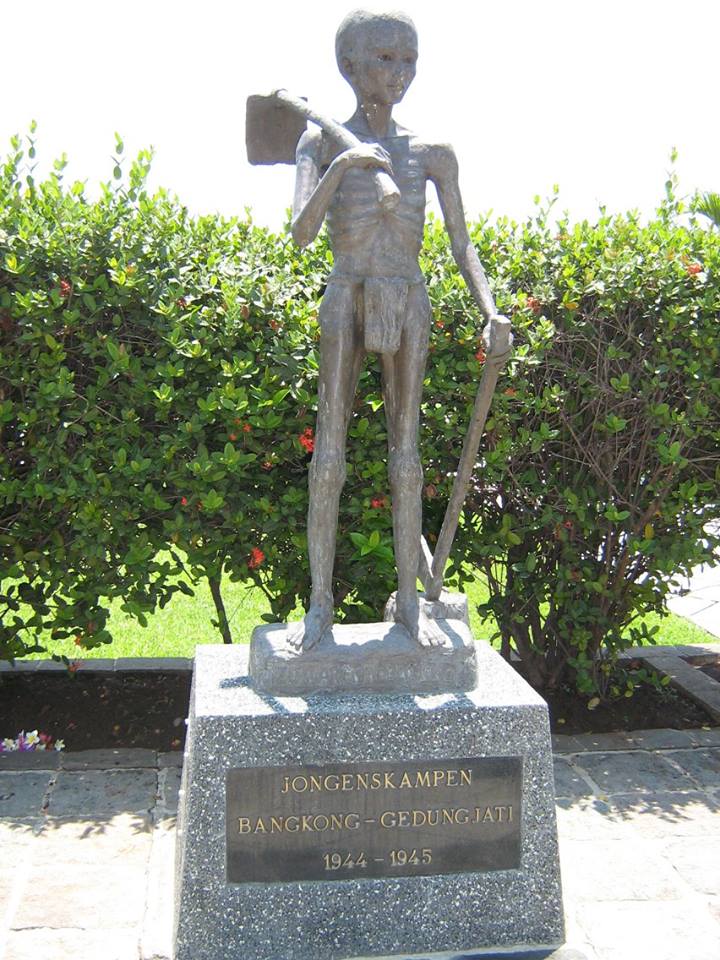
I think a nuanced view of history is essential to understanding the conditions that lead to war. The capacity for being a perpetrator or a victim lies in all of us, in different levels, depending on our conditions. But I really do believe that fighting against our natural inclination to want to make victim and perpetrator a clean dichotomy is the key to understanding how war happens in reality and preventing a repeat of history. I found this constantly shifting view of victim and perpetrator interesting in my father’s story, where the Dutch colonists were perpetrators who then became victims of the imperialist Japanese army. But several of the guards in my father’s camp were conscripted Koreans who had been victims of the Japanese too and became perpetrators. A lot of soldiers were forced into that role. And then, when the war ended, the Japanese perpetrators were attacked by the Indonesian revolutionaries and began actively protecting the Dutch people they had been imprisoning only a short time earlier. The labels of victim and perpetrator are constantly shifting in war.
6) How was your book received in the Netherlands and abroad? Was there a difference in how it related to American and Dutch audiences?
In both places, there were both positive and negative reactions, but for different reasons. In the Netherlands, the war is still very raw for some, and much more personal. I did a reading for an organization for children of NSB members and was shocked at how those now-elderly people were still so deeply traumatized. They shared their stories and cried a lot. They felt seen in my book, while in the Netherlands, it’s still sort of a taboo to even discuss this history, and the children of these perpetrators were never acknowledged for many years as victims of a kind, traumatized and needing therapy. There is still so much pain in the Netherlands and a reluctance to talk about the messy parts of the war.
American readers often knew nothing about this part of history at all, and they were mostly grateful to learn about it. Another contingent, however, was upset that I muddied their uncomplicated ideas about the war: about collaborators, colonists, the Japanese in WWII, the atomic bomb, etc. Certainly, there are exceptions, but Americans can be very attached to their moral righteousness, much more than the Dutch. The current culture often demands they pick a side, and they are conditioned to pass judgment on things with which they don’t really have personal experience, sometimes even more than those who are directly affected. It’s an increasingly divided society. This affected how they reacted to my book in some cases. I think a contingent of Americans is prone to “virtue signaling” because of a sense of guilt. On the flip side, ironically, on my American book tour, the reactions that were the most positive and interested in this nuanced view of the war were from the descendants of Holocaust survivors, the children of immigrants.
7) You revealed a lot about your family (both good and bad). How did they feel about it?
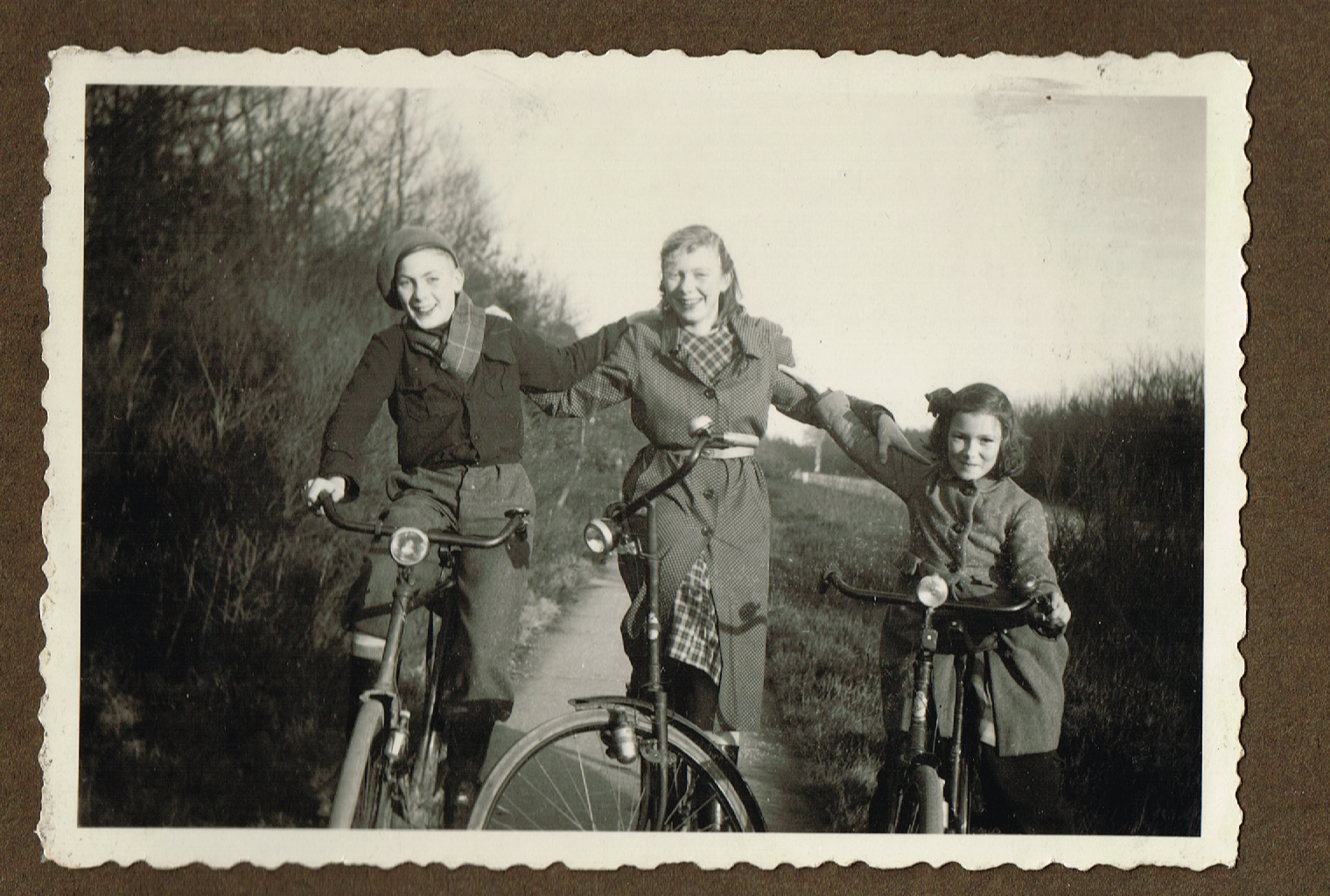
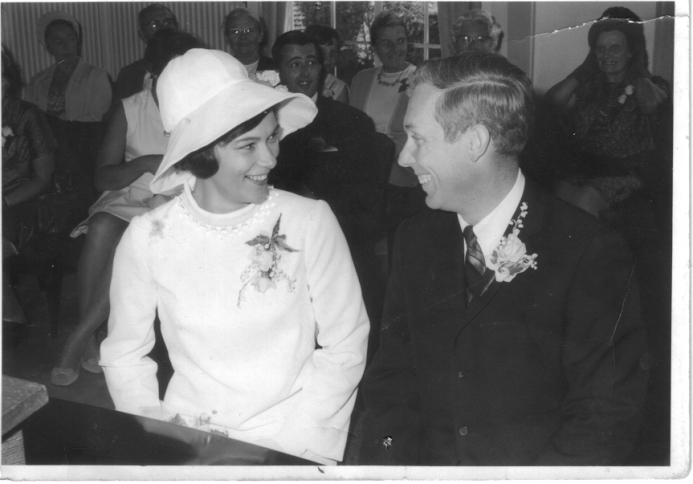
My parents were great about letting me expose them in such a vulnerable way. I feel extremely grateful for that because a lot of people I know who write about their families do not have such positive experiences. That doesn’t mean it wasn’t difficult at times, particularly for my mother. She loved her father, and it was quite painful to be confronted with facts about him that she had avoided looking at for years. I felt some guilt about opening those wounds, but I think overall it was a good thing to process all of this transgenerational trauma while they were (and are) still alive. In a way, writing this book and discussing it with my family was like a giant therapy session.
8) Having had such an international upbringing, what advice would you have for parents raising children with multiple cultures and languages?
I don’t have any children. But my siblings do, and my nieces and nephew were quite consciously raised to be connected to their Dutch roots. They have dual citizenship too, and they come to the Netherlands regularly. All of them understand Dutch, and my niece even had regular Dutch lessons. I also think knowing where they came from and understanding the things their grandparents experienced as children in the war helps give them perspective on why they are the way they are.
9) What was your favorite part of writing your memoir?
Doing research was really fascinating, and I think I could stay in the research phase forever if I didn’t force myself to start writing. Spending days in the National Institute of War Documentation and the National Archive reading the handwritten diaries from the boys in my father’s camp or the dossier of my grandfather made me feel like a history detective. Learning something new from these direct documents felt like being let in on something. And it felt personal and intimate, like I was being pulled back in history to be right there with those who experienced it. I also really like playing with language and enjoyed the actual craft of writing some passages. It feels very satisfying to get a sentence right.
10) What other projects are you working on right now?
I’m actually working on two different books that are very different, but both memoirs. One is about the years that I spent in my twenties traveling with the circus in the United States. But when I get stuck or frustrated with writing that book, I also work on another project of fragmented stories about womanhood, a more experimental collection with feminist themes. And next to those projects, I am working on a screenplay that is just a fun distraction, a purely fictional rom-com.
I also teach creative writing, both online in my private classes, as well as in person for the Iowa Summer Writing Festival and the Schrijversvakschool in Amsterdam. I’m planning an in-person retreat in France in 2025 as well. And I work one-on-one with some writing students on their manuscripts. All of the info on my classes and private consulting can be found at www.litura.com. In addition to that, I’ve also been moving into being a storytelling consultant for businesses, work that a former student who works in Silicon Valley connected me to. I am also taking courses in therapeutic writing facilitation, something that is a natural step for me after years of teaching personal narrative writing and seeing the ways it has helped my students process trauma. I’m interested in the interesting interdisciplinary applications of narrative writing that go beyond literature, even if literature is my main love.
About Mieke Eeerkens:
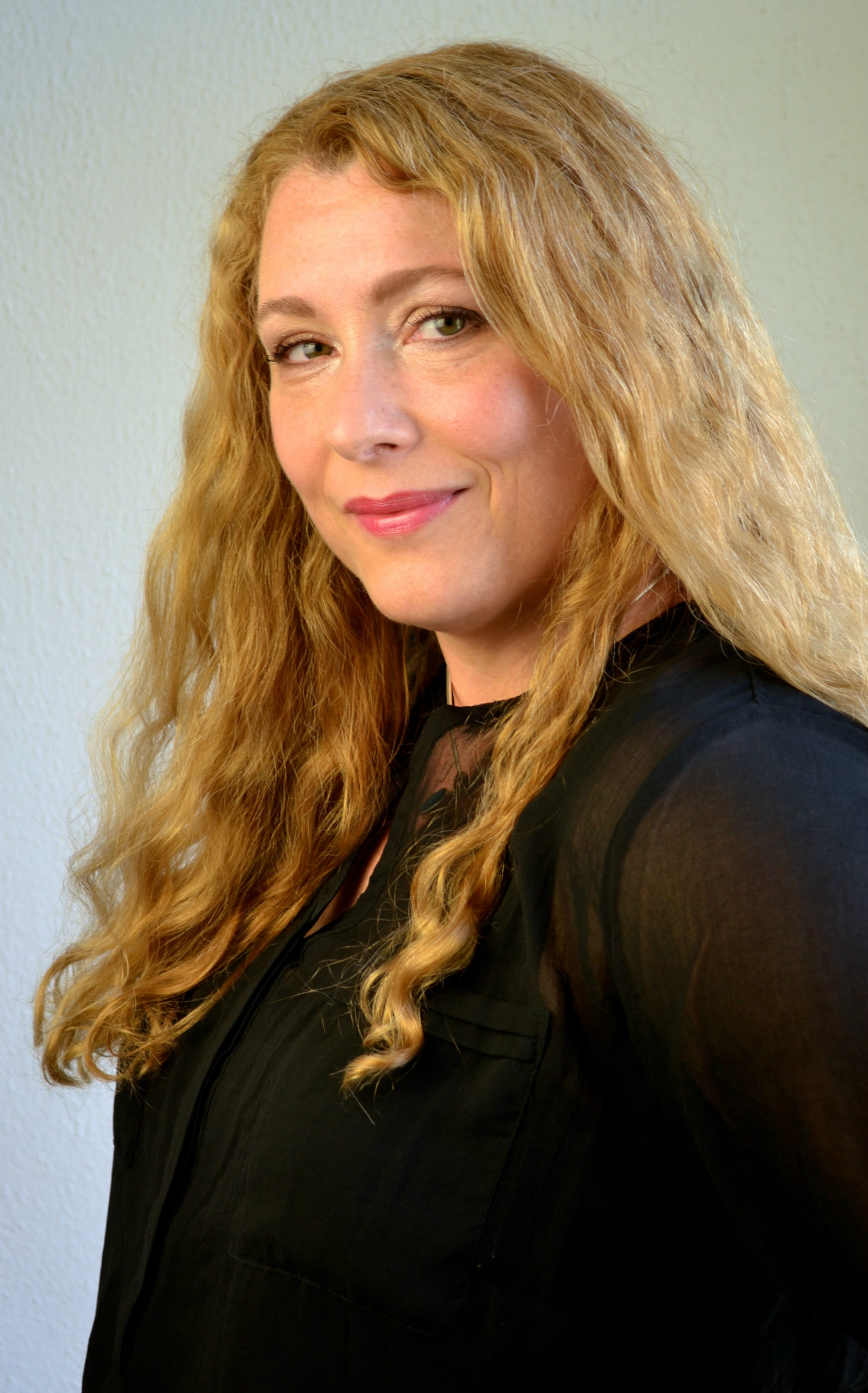
Mieke Eerkens is a Dutch-American writer who grew up between Los Angeles and the Netherlands and now makes Amsterdam her home. She earned a BA in Creative Writing from San Francisco State University, an MA in English from the University of Leiden in the Netherlands, and an MFA from the University of Iowa, where she worked as an instructor in the Magid Center Undergraduate Writing Program following graduation. She has also taught creative writing for UCLA Extension’s Writer’s Program, Leiden University College, and Amsterdam University College, and as a visiting instructor for the Iowa Summer Writing Festival, as well as in private workshops.
Her book All Ships Follow Me: A Family Memoir of War Across Three Continents was published in April 2019 by Picador, with a translation in the Netherlands from De Geus, De oorlog van horen zwijgen.
In addition, her work has appeared in outlets such as The Atlantic, Catapult, The Rumpus, Los Angeles Review of Books, Pen America, Pank, Guernica, and Creative Nonfiction; the latter nominating her for a Pushcart Prize. Her work has been anthologized in Best Travel Writing 2011, in which it was favorably singled out by Pico Iyer in his introduction;
Norton’s Fakes: An Anthology of Pseudo-Interviews, Faux-Lectures, Quasi-Letters, “Found” Texts, and Other Fraudulent Artifacts edited by David Shields; A Book of Uncommon Prayer; and Water’s Edge: Open to Interpretation.
Her narrative essay, “Seep,” was a winner of the Walton Sustainability Solutions Essay Award in collaboration with Creative Nonfiction magazine and was selected as a notable essay in Best American Science and Nature Writing 2015.
In addition to her teaching activities, she was the editor-in-chief of the university literary magazine, Transfer; host of the reading series Speakeasy; and has served as a judge for The Essay Prize, Roxanne Mueller Award, and The Allegra Johnson Writing Prize.
She is currently working on a book about the circus.
Explore more author interviews
MKB Interviews Aditi Wardhan Singh, Author of “Within”
MKB Interview: Lola Akinmade Åkerström
MKB Interview: Brynn Barineau, author of “Jaguars and Other Game”
Interview with Mariam Navaid Ottimofiore, Author of “This Messy Mobile Life”
Interview with Yoshito Darmon Shimamori, Author of “In Search of the Lost Words”


Olga Mecking
Latest posts by Olga Mecking (see all)
- Eight Things Every Multicultural Family Needs - January 19, 2026
- Interview with Mieke Eerkens, author of “All Ships Follow Me” - March 31, 2025
- Tea Around the World - December 9, 2024
