
Do you recognize the song El Cóndor Pasa? It’s well known throughout South America and it’s sometimes even called the second national anthem of Peru. But it’s also become a favorite song in countries around the world. Here’s a version of the song by the 12 Girls Group of China performed with traditional Chinese instruments:
But how much do you know about this iconic song and it’s composer? Here is some interesting background about the indigenous roots and history of this beautiful song.
El CONDOR PASA IS NOT A FOLK SONG

In 1970, popular American recording artist Paul Simon released the song El Cóndor Pasa on his Bridge Over Troubled Water album. The song was a huge hit. It was credited as a folk melody, so it’s reasonable that many people believed it to be a folk song from Andean culture. But it was actually a composed song, written in 1913 by an inspirational Peruvian composer and ethnomusicologist named Daniel Alomía Robles. In fact, at a time when indigenous and folkloric music was not considered worthy of study. Alomía Robles traveled the mountains and jungles of Peru recording, archiving and creating new music based on these strong and deep cultural roots. El Cóndor Pasa is probably his most well known composition and is considered a cultural treasure of Peru.
WHAT DOES EL CONDOR PASA MEAN?
It is a Spanish phrase that translates to the condor passes, or more clearly stated: the condor flies by. The Andean condor is a large majestic bird with a wingspan often up to 10 feet across! Can you imagine seeing a bird of that size fly overhead? No wonder it inspired it’s own song!
Definitely impressive, the Andean condor is a national symbol of Argentina, Bolivia, Chile, Colombia, Ecuador, Peru and Venezuela. It’s officially the national bird of Bolivia, Chile, Colombia, and Ecuador and also appears prominently on the Ecuadorian flag!
ABOUT THE AUTHOR OF THIS SONG
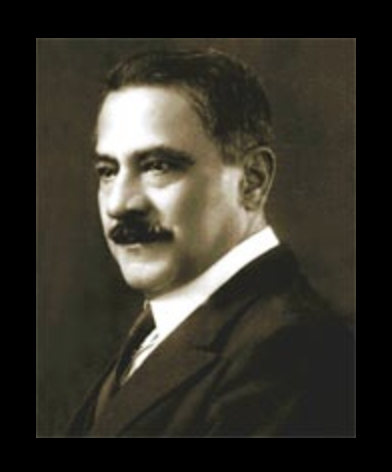
Composer and ethnomusicologist Daniel Alomía Robles was born in 1871 in Huánuco, Peru. Later, his family moved to the capital city of Lima where he studied many of the musical plays and styles of the day. During that time, Alomía Robles had several prominent mentors who were creating the musical theater of their day. They taught him and gave him many opportunities to grow and flourish as a composer and an author of both music and musical works such as theatrical plays.
During that time he wrote the song as part of a zarzuela, a musical play that alternates between spoken and sung parts. The play consisted of three acts. the song “El Cóndor Pasa” is performed during a parade scene in the play. Many music historians say that the instrumental music imitates the various ways that the condor flies as it makes it’s appearance in Andean skies.
AN AUTHENTIC VERSION OF EL CONDOR PASA
Many pop versions of the song leave out some of the sections of the original composition. Here’s a version that performs the song just as it was written by the composer.
WHAT INSTRUMENTS CAN WE HEAR IN EL CONDOR PASA?

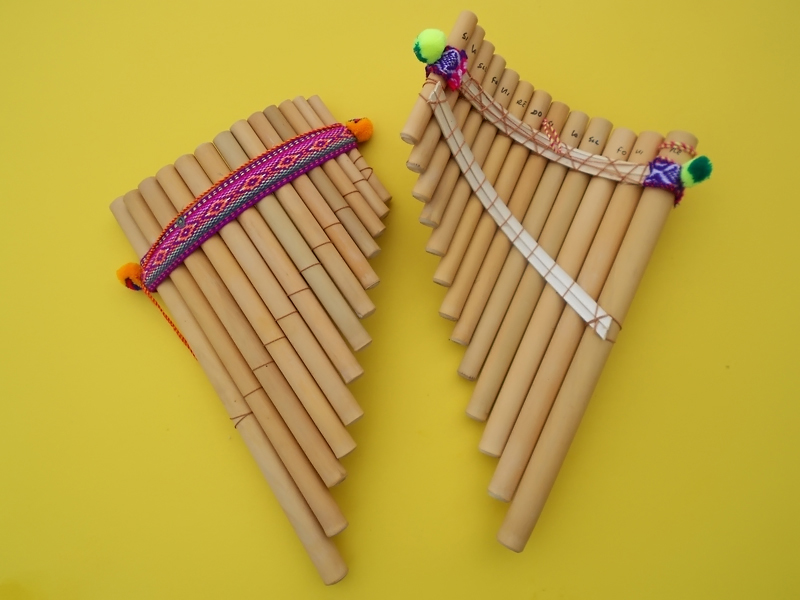
The Andes region of South America has some beautiful and distinctive musical instruments. You can definitely hear several of them in this song as it is performed in the video above. You’ll hear two native flutes, called the quena and the quenacho as well as panpipes known as zampoñas. You’ll also hear a Spanish guitar and a smaller stringed instrument called the charango often made from the shell of an armadillo. There’s a link below if you’d like to learn more about these instruments in a free mini-lesson.
PRESERVING ANDEAN CULTURE
This is a great song with a powerful history to share. It was written by someone who respected and upheld indigenous culture. This composer’s work was considered ground-breaking and historic as it encouraged respect and appreciation for traditional music. In fact, Daniel Alomía Robles’s granddaughter, Marcela Robles wrote that: “In a time when the musical folklore of Peru was ignored or looked down on, Alomía Robles was a pioneer in collecting the music that otherwise would have disappeared.”
EL CONDOR PASA – FREE RESOURCES
Color The Condor
https://www.teacherspayteachers.com/Product/Free-Condor-Coloring-Page-12472800
Free Art Activity For The Song
https://www.teacherspayteachers.com/Product/El-Condor-Pasa-Art-Activity-Plus-Classroom-Video-12486867
Musical Instruments Heard In El Cóndor Pasa – Free Mini-Lesson
https://www.teacherspayteachers.com/Product/El-Condor-Pasa-Instruments-Heard-In-The-Song-12555498


Daria
Latest posts by Daria (see all)
- Musical Ways To Explore Asian-Pacific Heritage With Your Child! - May 4, 2026
- El Cóndor Pasa – A Peruvian Song Heard Around The World - November 25, 2024
- Multicultural Children’s Book Day Book Review: What Did My Ancestors Eat? - January 29, 2024
